Welcome to y.our Practice & Inspiration Space
Listen, practice, watch, read, feel… and maybe you’ll discover something… Choose the energy you wish to invite today.
Luister, oefen, kijk, lees, voel… en misschien ontdek je iets… Kies de energie die je vandaag wil uitnodigen in je dag.
Écoute, pratique, regarde, lis, sens… et peut-être tu découvres quelque chose… Choisis l’énergie que tu voudrais inviter aujourd’hui.
Listen
Meditations


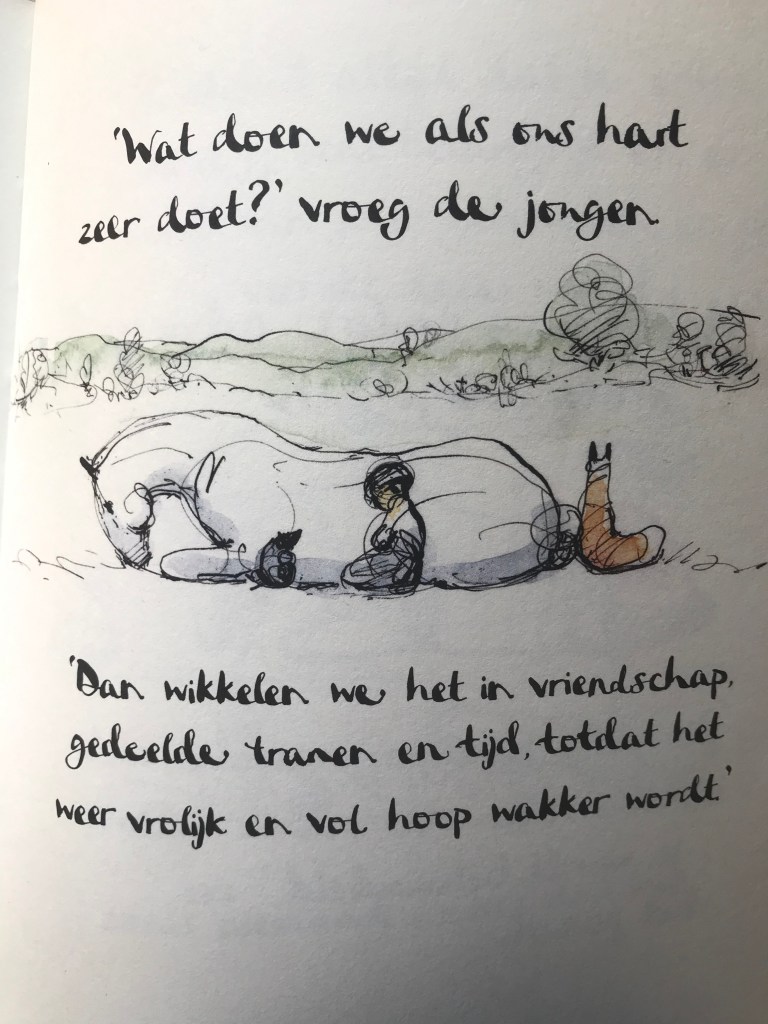
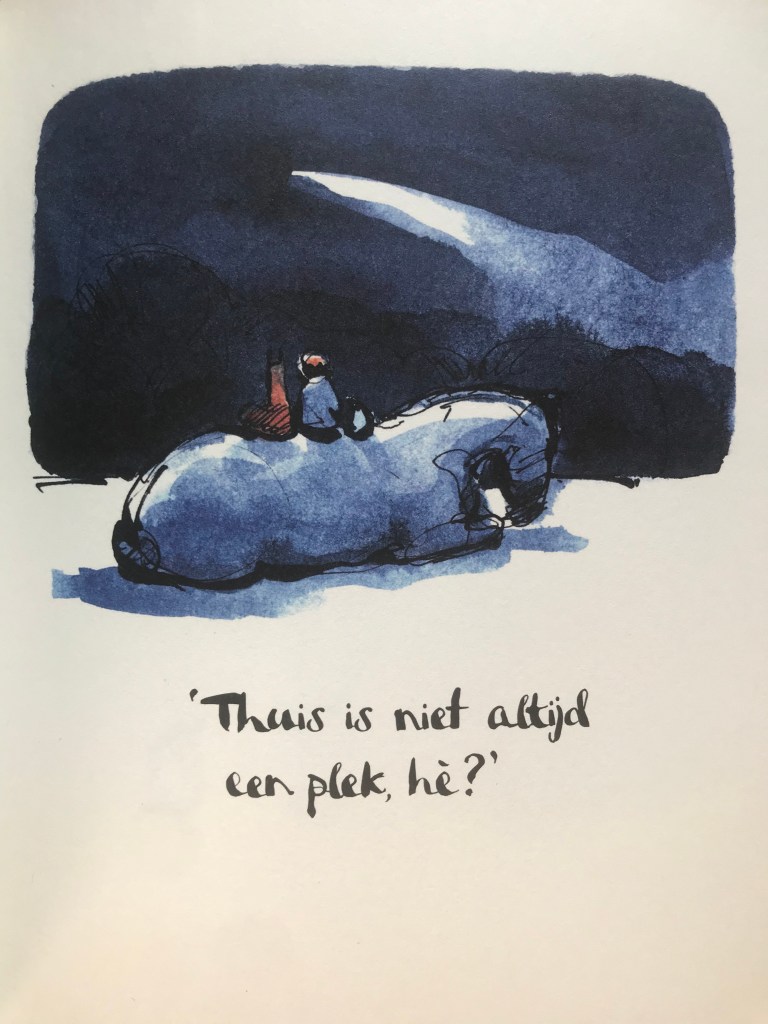
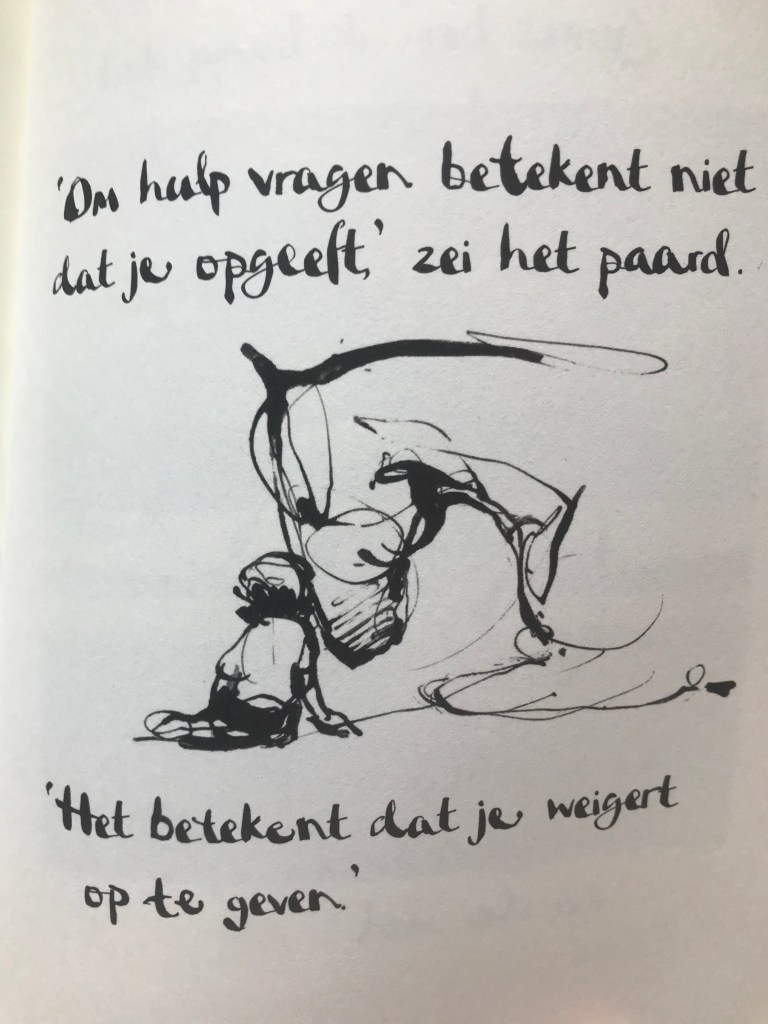
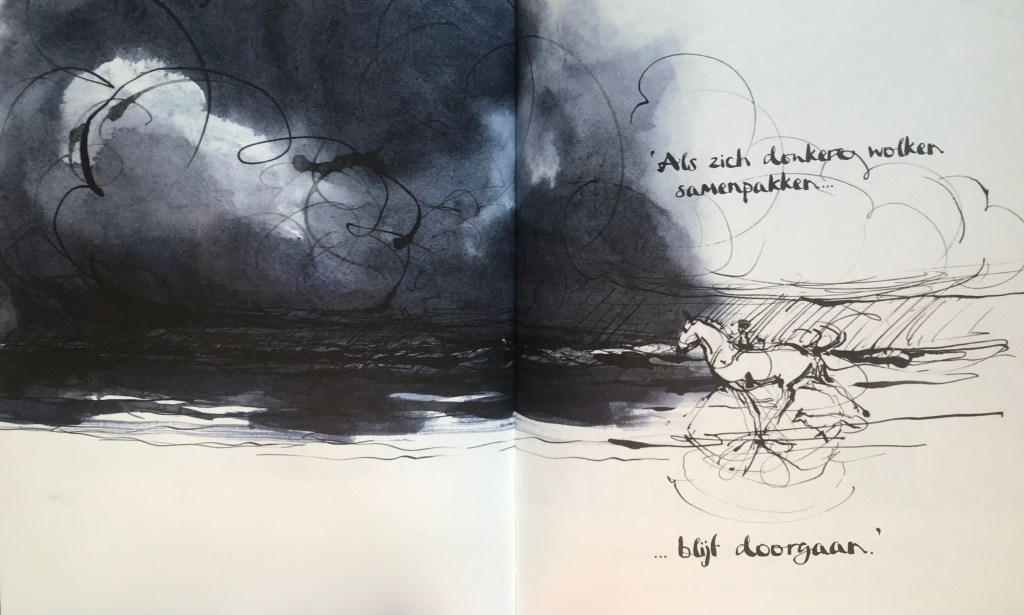
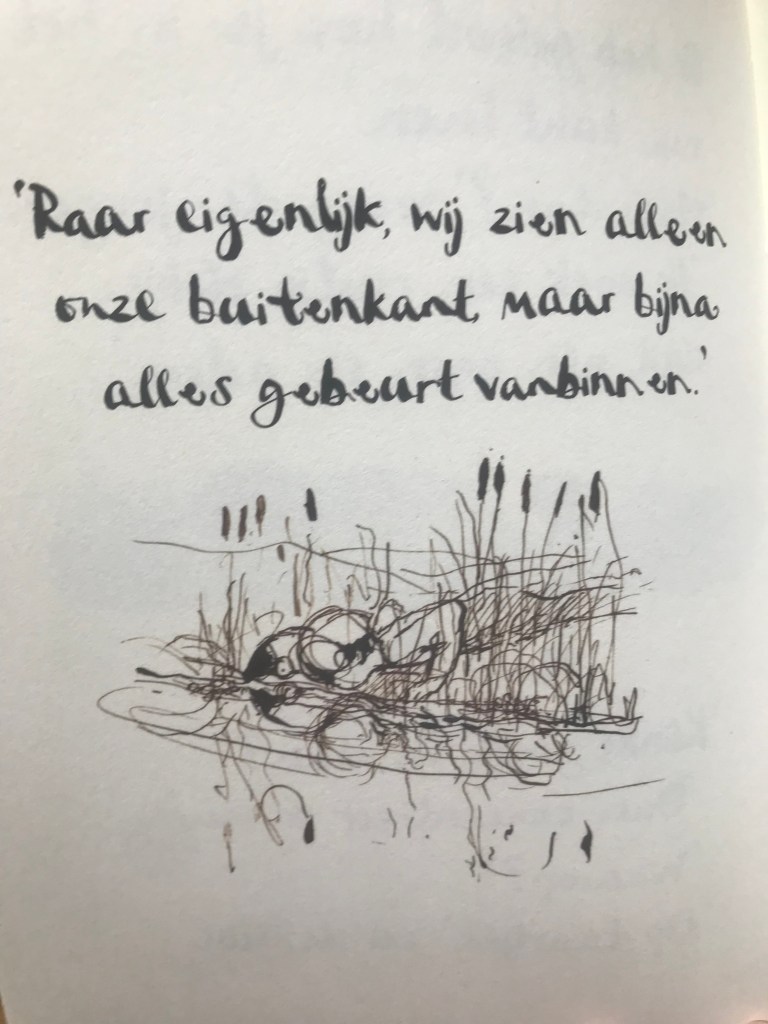
Illustraties uit “De jongen, de mol, de vos en het paard” van Charlie Mackesy
Practice
Centering
Find a quiet place where you can have your full attention for a while, without distractions or disturbances.
Posture: make your posture upright and at the same time relaxed, your spine straight, your chest wider, your shoulders slightly back.
Breathing: Breathe in once more, feel how your lungs fill up, oxygen feeds your whole body, and while breathing out you allow relaxation where possible, your posture remains straight and open.
Space: Stretch out your arms, be aware of the space around you and look around to all sides, corners, windows, also backwards, downwards and upwards. Move around in the room if you wish.
Quality: Say out loud to yourself “what would it be like with a little more ease (or another quality) in my body?” and feel how your body reacts. Maybe some muscles relax or react just a little bit, or maybe you notice something in your thoughts or feelings.
Inspiration: Think of someone who makes you smile, who makes you happy or inspires you, and stay with this feeling for a while.
Resilient dialogue in 4 steps
- Dialogue requires a safe-enough situation in which we dare to speak.
- Allowing and expressing emotions requires non-judgmental listening.
- Discovering wisdom requires being able to feel what has moved you, to notice what is important for you.
- Finding solutions asks you to think of concrete actions based on your wise insights.
Step 1 Safe dialogue: What is needed before we start talking? E.g: That we all have our own truth? Agree that we will not interrupt each other? That we will not attack each other? That a third person is present?
Step 2 Expressing emotions: What is going well, what is not going well? First let one person speak fully and then the other. Do not react to each other, no questions, no judgements. Tell how you feel, what you think and what you want.
Step 3 Wisdom and insights: What has touched you in what has been said? What do you remember most? What does this say about you as a person? Share these insights with each other.
Step 4 Solutions: Are there concrete ideas for action that you can think of? Try to collect as many ideas as possible and look at the feasibility together.
Apps to train your focus, concentration and meditation
- https://www.petitbambou.com/en
- https://www.calm.com
- https://insighttimer.com
- https://www.headspace.com
- https://hminnovations.org/meditation-app
Watch
Read
Just a small overview with some of our favorite authors, out of many other inspiration sources…
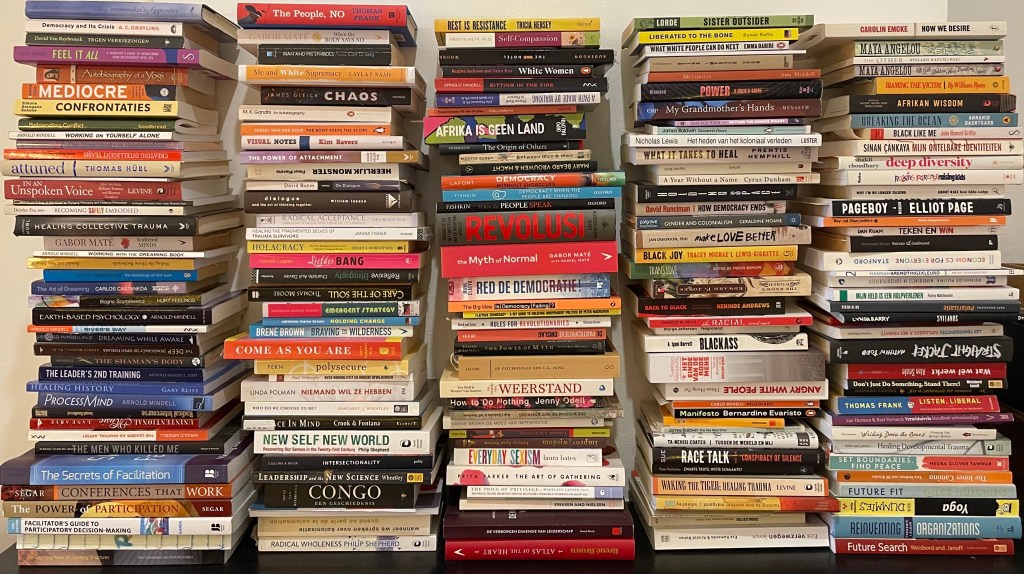
Power Dynamics
Julie Diamond
Arnold Mindell
Audre Lorde
Susan Raffo
Anti-Racism/Decolonization
Tema Okun
Resmaa Menakem
Ruth King
Errol Amerasekera
Emma Dabiri
Layla F Saad
Robin Di Angelo
Education & Compassion
Akilah Richards
Thích Nhat Hanh
Gabor Maté
Tara Brach
Kristin Neff
Community Building
bell hooks
Priya Parker
Kai Cheng Thom
Paulo Freire
Social Justice & Healing
Prentis Hemphill
Tricia Hersey
Staci Haines
Rupa Marya
Gabor Maté
Leadership & Democracy
Dawn Menken
Amy & Arnold Mindell
Wendy Palmer / Anouk Brack
Margaret Wheatley
Practices and sharings related to deconstructing and transforming white supremacy
Here we share some of the materials we encounter and develop to practice deconstructing and transforming white supremacy. It is mainly based on resources related to the work of somatic abolitionism from authors like Resmaa Menakem (book “My Grandmother’s Hands”) and Tema Okun (www.whitesupremacyculture.info).
 Resilience Movement